
How to Remove Ink Stains from Clothes Without Ruining the Fabric
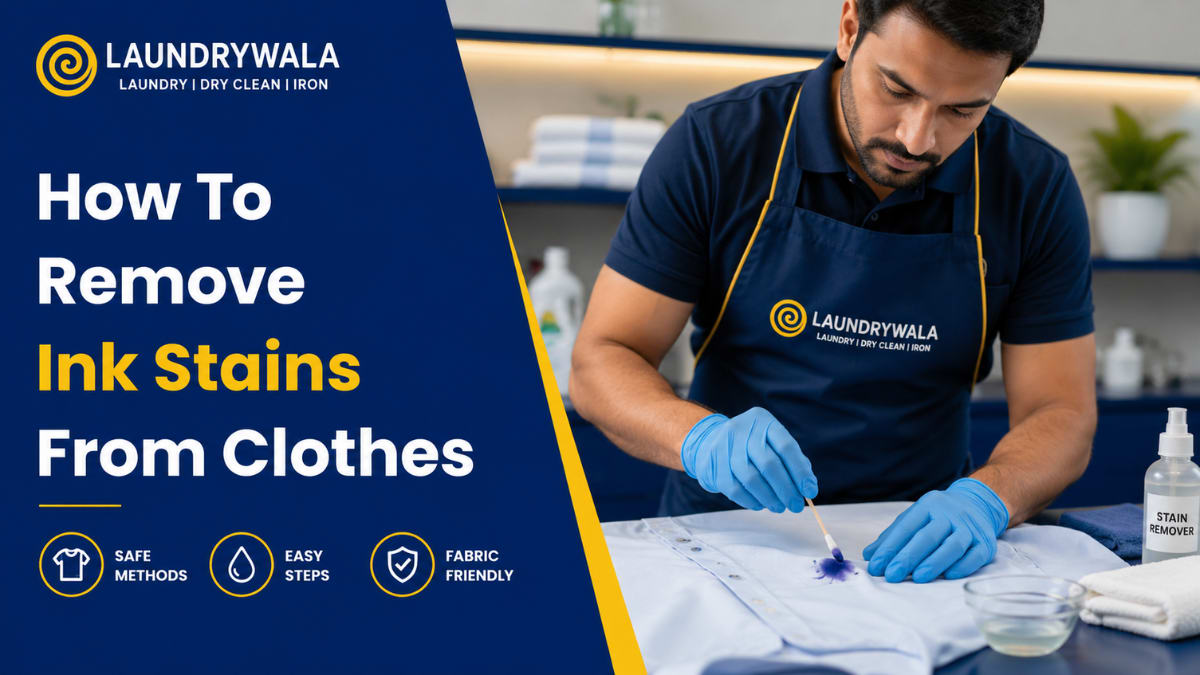
Ink stains are one of the most common and most mishandled laundry problems in Indian homes. A leaking ballpoint pen in a shirt pocket, a child's felt-tip mishap on school uniform cotton, or a gel pen that bled through the fabric during monsoon humidity can leave a stain that seems impossible to fix. The good news is that most ink stains can be treated successfully at home if you act quickly and use the right method for your specific fabric. This guide explains exactly how to remove ink stains from clothes, covering fresh stains, dried stains, and every major fabric type you are likely to encounter.
What Kind of Ink Is on Your Clothes?
Before you reach for any cleaning agent, identify the type of ink you are dealing with. This is not a minor detail. The wrong treatment for the wrong ink type can push the stain deeper into the fabric fibres or set it permanently, making professional removal far harder.
Ballpoint pen ink is oil-based. It sits on the surface of fibres rather than soaking in deeply, which makes it more responsive to alcohol-based treatments. Gel pen ink is water-based but contains thickening agents that give it a different texture, and it responds better to liquid dish soap and water. Fountain pen and ink stamp ink is also water-based and generally the easiest to treat if caught early. Permanent marker and printer ink contain strong dye components and binders specifically designed to resist water and friction, making them the hardest to remove at home and the most likely to need professional stain treatment.
In India, the most common ink stains come from ballpoint pens and gel pens, both used extensively in schools, offices, and households. The monsoon season adds a complication: high humidity slows drying on some fabric types, which means a fresh ink stain can spread further before it is noticed. In dry summer months, stains set faster because heat accelerates the bonding of ink dye to fibre.
Ballpoint Pen Ink vs Gel Pen Ink vs Permanent Marker
Ballpoint pen ink responds well to rubbing alcohol, hand sanitiser (which contains isopropyl alcohol), and acetone in small quantities on colourfast fabrics. Because the ink is oil-based, water alone will not break it down. You need a solvent that dissolves oil.
Gel pen ink is water-based, so it is more forgiving. Liquid dish soap applied directly to the stain, followed by cold water, is often sufficient for fresh gel ink on cotton or polyester. The key is speed: gel ink dries faster than ballpoint ink and once dry, it requires more aggressive treatment.
Permanent marker is the most difficult category. The dye components in permanent markers are designed to bond quickly to whatever surface they contact. On cotton, some success is possible with acetone-based nail polish remover on white or light-coloured fabric, but on silk, net, or synthetic blends, the risk of fabric damage is significant. For permanent marker stains on delicate garments, professional dry cleaning stain treatment is usually the safer and more reliable route.
How to Remove Ink Stains from Clothes: Step-by-Step Method
The answer to how to remove ink stains from clothes depends on acting before the stain dries. For a fresh stain, you have a window of roughly 15 to 30 minutes before the ink begins to bond to the fabric fibres at the molecular level. Every minute you spend searching for the right product is a minute the stain is becoming harder to remove. Here is the step-by-step method that works across most common fabric types for fresh ink stains.
Step 1: Do Not Rub the Stain
The single most damaging thing most people do is rub the ink stain with a cloth or tissue immediately after it happens. Rubbing spreads the ink laterally across the fabric and forces it deeper into the fibre structure. Instead, blot gently with a clean white cloth or kitchen tissue from the outside of the stain inward. The goal at this stage is to absorb as much of the liquid ink as possible without spreading it further.
Step 2: Place a Clean Cloth or Tissue Beneath the Stained Area
Slide a clean white cloth or several layers of tissue paper under the stained section of fabric before applying any treatment. This absorbs ink that is pushed through the fabric during treatment rather than allowing it to spread to an unstained area. This step is commonly skipped and it is one of the reasons home treatment fails more often than it should.
Step 3: Apply the Right Solvent for Your Ink Type
For ballpoint pen ink, apply a small amount of rubbing alcohol or hand sanitiser directly onto the stain using a cotton ball or swab. Work from the edge of the stain inward in small circular motions, replacing the cotton ball as it picks up ink. For gel pen ink, apply a drop of liquid dish soap directly to the stain and work it in gently with your fingertip before rinsing with cold water. For fountain pen ink, cold water and liquid soap are usually sufficient if applied immediately.
Do not use hot water at any stage. Heat sets ink into fabric just as it sets protein stains. Always use cold water.
Step 4: Rinse with Cold Water and Repeat if Necessary
After the solvent treatment, rinse the stained area under cold running water, holding the fabric so water flows through the stain from the inside out rather than pushing it further in. Inspect the stain under good light. If ink remains, repeat the solvent application and rinse cycle up to three times. After three cycles without significant improvement, the stain is likely set or the ink type requires a different approach.
Step 5: Wash the Garment as Normal
Once the ink is fully or substantially removed, wash the garment according to its care label. Use cold or warm water as the label specifies. Do not put the garment in a tumble dryer until you are certain the stain is gone: the heat of a dryer will permanently set any remaining ink residue and make professional removal nearly impossible after that point.
Ink Stain Removal by Fabric Type: What Works and What Causes Damage
The fabric your garment is made from determines which treatments are safe and which will cause more damage than the stain itself. Indian wardrobes contain a wide range of fabric types: cotton kurtas, polyester formal shirts, silk sarees, georgette dupattas, woollen sherwanis, and synthetic school uniforms. Each requires a different approach.
| Fabric Type | Recommended Treatment Agent | Avoid | Risk Level |
|---|---|---|---|
| White cotton | Rubbing alcohol, liquid soap, dilute white vinegar | Bleach on coloured items | Low |
| Coloured cotton | Rubbing alcohol (test first), liquid soap | Acetone, bleach | Low to Medium |
| Polyester / synthetic | Liquid dish soap, cold water, hand sanitiser | Hot water, acetone | Low |
| Silk | Mild liquid soap, cold water only | Alcohol, acetone, hot water, scrubbing | High |
| Wool | Cold water, very mild wool-safe detergent | Alcohol, hot water, agitation | High |
| Georgette / net | Cold water and professional treatment advised | Any solvent, friction | Very High |
| Linen | Rubbing alcohol, liquid soap | Hot water | Medium |
| Denim | Rubbing alcohol, salt paste for fresh stains | Acetone on coloured denim | Low |
For cotton and linen, the margin for error is relatively wide. These natural fibres tolerate mild solvents and repeated treatment cycles without significant damage if the temperature is kept low. For silk, wool, and delicate weaves like georgette and net, which are extremely common in Indian ethnic wear, home treatment carries a real risk of colour loss, fibre distortion, or water marking that is irreversible. Any ink stain on a silk saree, embroidered lehenga, or woollen sherwani is best handed to a professional dry cleaning service rather than treated at home.
Removing Ink from White and Light-Coloured Clothes
White cotton and light-coloured cotton shirts respond exceptionally well to ink stain treatment because you can use slightly stronger agents without worrying about colour damage. For white cotton, after the initial alcohol treatment, a diluted paste of baking soda and water applied to the residual stain and left for 10 minutes before rinsing can help lift the last traces. A small amount of white toothpaste (paste, not gel) applied to the stain and worked in gently before rinsing is a common home remedy that works with moderate effectiveness for ballpoint pen ink on white fabric.
If a stain persists on white cotton after home treatment, oxygen-based stain removers widely available in Indian supermarkets can be used as a soak for 20 to 30 minutes before washing. Avoid chlorine bleach on anything other than fully white cotton, and even then use it diluted.
Removing Ink Stains from Silk and Delicate Indian Fabrics
Silk is the fabric type where incorrect treatment causes the most irreversible damage. Silk fibres are fine protein structures. Alcohol and acetone can strip the natural sheen of silk and cause colour bleeding or fibre damage. Hot water causes silk fibres to contract and distort, creating permanent water marks. Even vigorous rubbing of silk can permanently alter the fabric's texture.
For fresh ink on silk, the only home approach worth attempting is to blot gently with a clean white cloth dampened with cold water and a tiny drop of very mild liquid soap, with no rubbing whatsoever. If the ink does not lift immediately, stop. Continuing to work the stain risks compounding the damage. A silk saree or silk dupatta with an ink stain is a clear candidate for professional dry cleaning stain treatment, where technicians use controlled solvent processes calibrated to the fabric's weight and weave.
How to Remove Dried Ink Stains from Clothes
Dried ink stains are significantly more difficult to treat than fresh ones. Once ink has dried, the solvents and dyes in the ink have begun bonding to the fabric fibres, and the window for easy removal has closed. This does not mean the stain is permanent, but it does mean the treatment needs to be more patient and methodical.
Begin by softening the dried ink before applying any solvent. Apply rubbing alcohol directly to the dried stain and let it sit for three to five minutes. The alcohol partially re-solubilises the dried ink, making it more responsive to blotting. After soaking, blot firmly with a clean cloth rather than rubbing. You may see only partial lifting on the first attempt; this is normal for dried ink.
For dried ballpoint pen ink on cotton, a combination of rubbing alcohol followed by liquid dish soap, then a cold rinse, repeated three to four times, removes a large proportion of the stain in most cases. For dried gel pen ink, try soaking the stained area in warm (not hot) water with a teaspoon of liquid soap for 15 minutes before the alcohol treatment.
For dried ink on delicate fabrics, or for stains that have gone through a washing machine and a dryer, the chances of full home removal drop significantly. A stain that has been heat-set by a dryer is chemically bonded to the fabric and typically requires the kind of specialised solvent treatment only available in a professional dry cleaning facility.
Common Mistakes That Make Ink Stains Worse
Most ink stain removal failures are caused by a small number of avoidable errors. Understanding what goes wrong is as important as knowing the correct treatment steps.
The first and most frequent mistake is rubbing immediately. Rubbing spreads the stain and pushes ink deeper into the fabric matrix. Always blot, never rub.
The second mistake is using hot water. Many people instinctively run a stained garment under the nearest tap, which often runs warm or hot. Hot water sets ink into fabric fibres the way it sets blood and protein stains. Cold water is the only correct choice at every stage of ink stain treatment.
The third mistake is using the wrong solvent for the wrong fabric. Acetone and strong alcohol on silk or wool cause fibre damage that is permanent. Before applying any solvent to coloured or delicate fabric, test it on a hidden seam area and wait two minutes to check for colour change or fibre reaction.
The fourth mistake is putting a stained garment in the dryer. If any ink remains after home treatment, the dryer's heat will permanently set it. Always air-dry and inspect the stain in daylight before considering the item ready for the dryer.
The fifth mistake is waiting too long before acting. In Indian summers, where ambient temperatures can reach 40 to 45 degrees Celsius, a fresh ink stain can dry and begin setting within minutes. In monsoon humidity, ink may spread further across the fabric if the garment stays damp. Speed of treatment is not just helpful, it is often the deciding factor between full removal and a permanent stain.
When Home Treatment Is Not Enough: Professional Ink Stain Removal
Some ink stains are beyond what home treatment can reliably fix. If the garment is silk, wool, georgette, or any embroidered or embellished ethnic wear, professional stain treatment is the right first call, not the last resort. If the stain is from permanent marker or printer ink, or if it has been through a washing and drying cycle already, professional dry cleaning is the most reliable path to full or near-full removal.
Professional dry cleaning for ink stain removal works differently from home treatment. Dry cleaning technicians use controlled liquid solvents that do not damage delicate fibres, combined with spot treatment methods calibrated to the specific ink type and fabric structure. The garment is inspected before treatment, the care label is checked, and the fabric's dye stability is assessed before any solvent is applied. This is a substantially different process from applying rubbing alcohol at home over a kitchen sink.
Laundrywala offers professional dry cleaning and expert stain removal across 100+ or more stores in India, with services covering everything from cotton shirts to silk sarees and woollen sherwanis. Their process uses Woolmark certified fabric care technology and anti-bacterial detergents, and every garment is inspected and sorted before treatment to avoid cross-contamination. For a garment you genuinely value, this is not an excessive step. It is the logical one. You can explore Laundrywala's dry cleaning service pricing at Laundrywala.
Ink Stain Removal from School Uniforms: A Practical Note for Indian Families
School uniforms are among the most frequently ink-stained garments in Indian households. White cotton shirts, in particular, are a near-weekly challenge in homes with school-going children. The good news is that white cotton is the most forgiving fabric for ink stain treatment.
For fresh gel or ballpoint pen ink on white school uniform cotton, the rubbing alcohol and cold rinse method described above works well in the majority of cases. For stubborn stains, a 20-minute soak in a solution of one tablespoon of oxygen-based stain remover dissolved in one litre of cold water, followed by a normal machine wash, removes most remaining ink residue.
Hard water is a significant factor in many Indian cities. Water with a high TDS (total dissolved solids) level, which can range from 500 to 1,500 ppm in cities like Delhi, Gurgaon, Jaipur, and parts of Mumbai, reacts differently with detergents and can reduce the effectiveness of standard stain removal. If you find that your home washing results are consistently poor despite correct technique, hard water may be part of the explanation. A professional laundry service that controls its wash water quality will give more consistent stain removal outcomes.
Ink Stain Removal Methods at a Glance
The table below summarises the most effective treatment options across ink types and common Indian fabric categories. Use it as a quick reference when a stain happens and time is limited.
| Ink Type | Best Treatment at Home | Works On | Not Recommended For | Seek Professional Help |
|---|---|---|---|---|
| Ballpoint pen (oil-based) | Rubbing alcohol or hand sanitiser | Cotton, linen, denim, polyester | Silk, wool, georgette | Delicate fabrics, dried stains |
| Gel pen (water-based) | Liquid dish soap plus cold water | Cotton, polyester, linen | Silk, embroidered fabrics | Ethnic wear, dried stains |
| Fountain pen (water-based) | Cold water plus mild liquid soap | Cotton, polyester | Silk, wool | Any delicate fabric |
| Permanent marker | Acetone on white cotton only | White cotton only | All coloured and delicate fabrics | Nearly all fabric types |
| Printer / stamp ink | Rubbing alcohol | Cotton, synthetic | Silk, wool, net | Dried stains, delicate fabrics |
What to Do If the Stain Has Not Come Out After Home Treatment
If you have worked through the correct method two or three times without full removal, continuing further at home is unlikely to help and carries a growing risk of fabric damage from repeated solvent exposure. At this point, the decision depends on the garment.
For an everyday cotton shirt or polyester uniform, a professional laundry service with dedicated stain treatment capability is the practical next step. For a silk saree, georgette dupatta, woollen sherwani, or any embroidered ethnic garment, professional dry cleaning was ideally the first step rather than a fallback, but it remains effective even at this stage for stains that have not been heat-set by a dryer.
The important thing to convey to a professional laundry or dry cleaning technician is the type of ink, how long ago the stain happened, what treatments were applied at home, and whether the garment went through a washing machine or dryer. This information shapes the technician's approach and improves the probability of full removal.
Laundrywala's professional dry cleaning service handles ink and other complex stains on all fabric types, including delicate silks, embroidered garments, and woollen sherwanis, using fabric-safe solvent processes and Woolmark certified care technology. Pickup is free for orders above Rs. 349, and standard delivery takes 48 to 72 hours, with an express option available within 24 hours for garments needed urgently. Their app is available on both Google Play Store and Apple App Store for easy booking.
Where Organised Laundry Services Are Handling India's Toughest Fabric Stains
Organised professional laundry chains have become the practical answer for the ink stain problems that home treatment cannot solve. With 4,00,000 or more customers served and more than 100+ stores across India spanning metro cities and expanding Tier 2 markets, Laundrywala is among the most widely used organised laundry Service and dry cleaning networks in the country. They serve customers across cities including Noida, Bengaluru, Mumbai, Hyderabad, Pune, Surat, Varanasi, Gorakhpur, Gwalior, and dozens of others, with the network continuing to expand.
What makes a professional service meaningfully different for stain removal is the structured process: every garment is inspected before treatment, care labels are checked, fabric and colour are assessed, and stain treatment is applied with solvents chosen for the specific fabric and stain type rather than whatever happens to be under the kitchen sink. Anti-bacterial detergents eliminate odours associated with set stains, and separate washing for different customers ensures no cross-contamination of fabrics. For a household managing silk sarees, woollen sherwanis, school uniforms, and professional workwear simultaneously, the combination of fabric expertise, doorstep pickup, and reliable turnaround time represents a practical solution to what would otherwise be a recurring source of garment loss.
If you have an ink-stained garment that home treatment has not fully fixed, or if you are dealing with ink on silk, embroidered ethnic wear, or any garment you cannot afford to risk, Laundrywala's professional dry cleaning and stain removal service is accessible across 100+ or more stores in India with free pickup on orders above Rs. 349. Book through the app on Google Play Store or Apple App Store, or call 8650865586. Visit Laundrywala to check service availability in your city and schedule a pickup.
FAQs about best Laundry Tips
Everything you need to know about expert fabric care, stain removal, and maintaining your garments like a pro.


